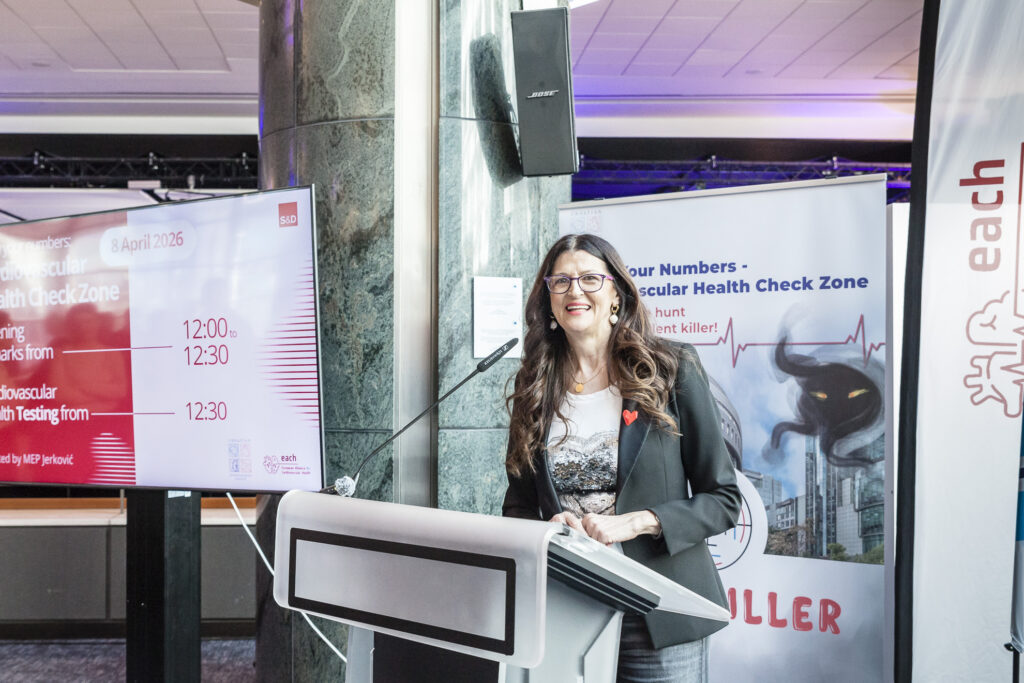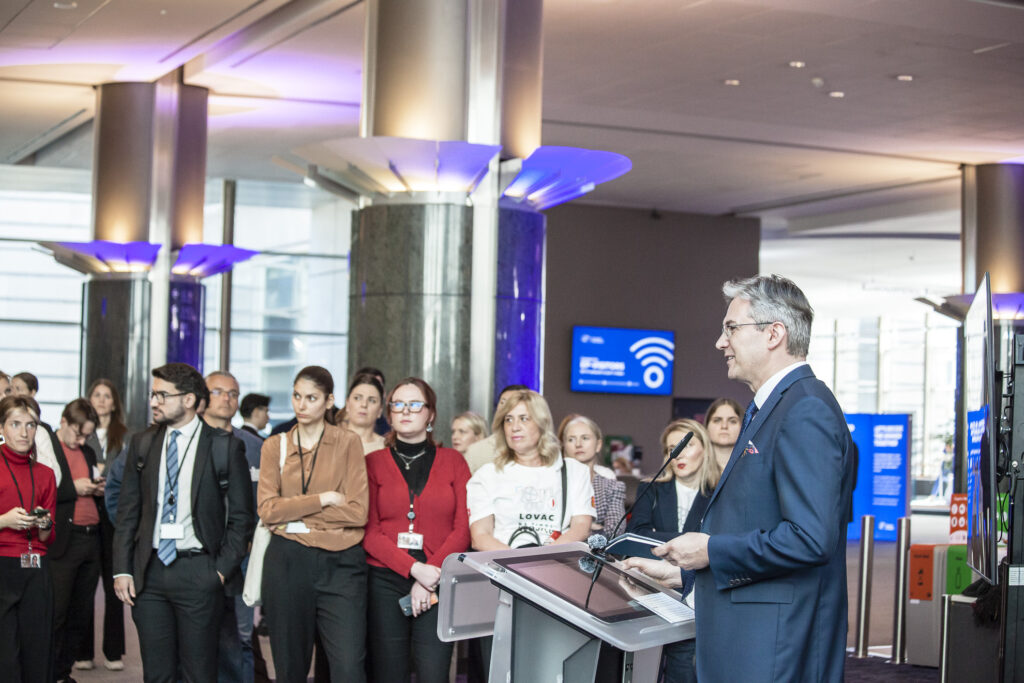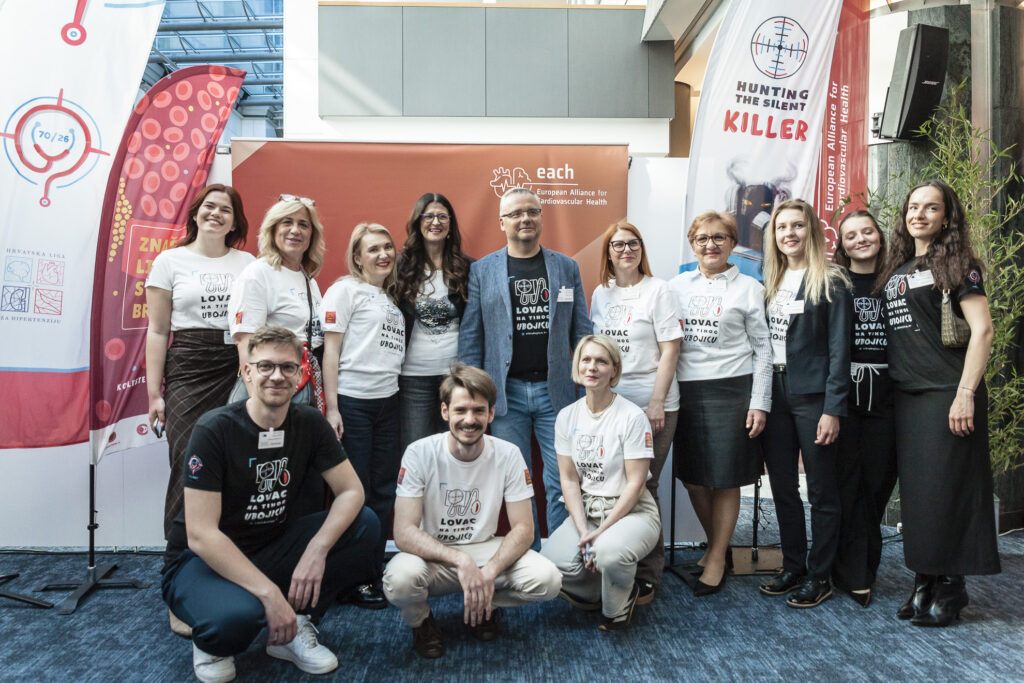
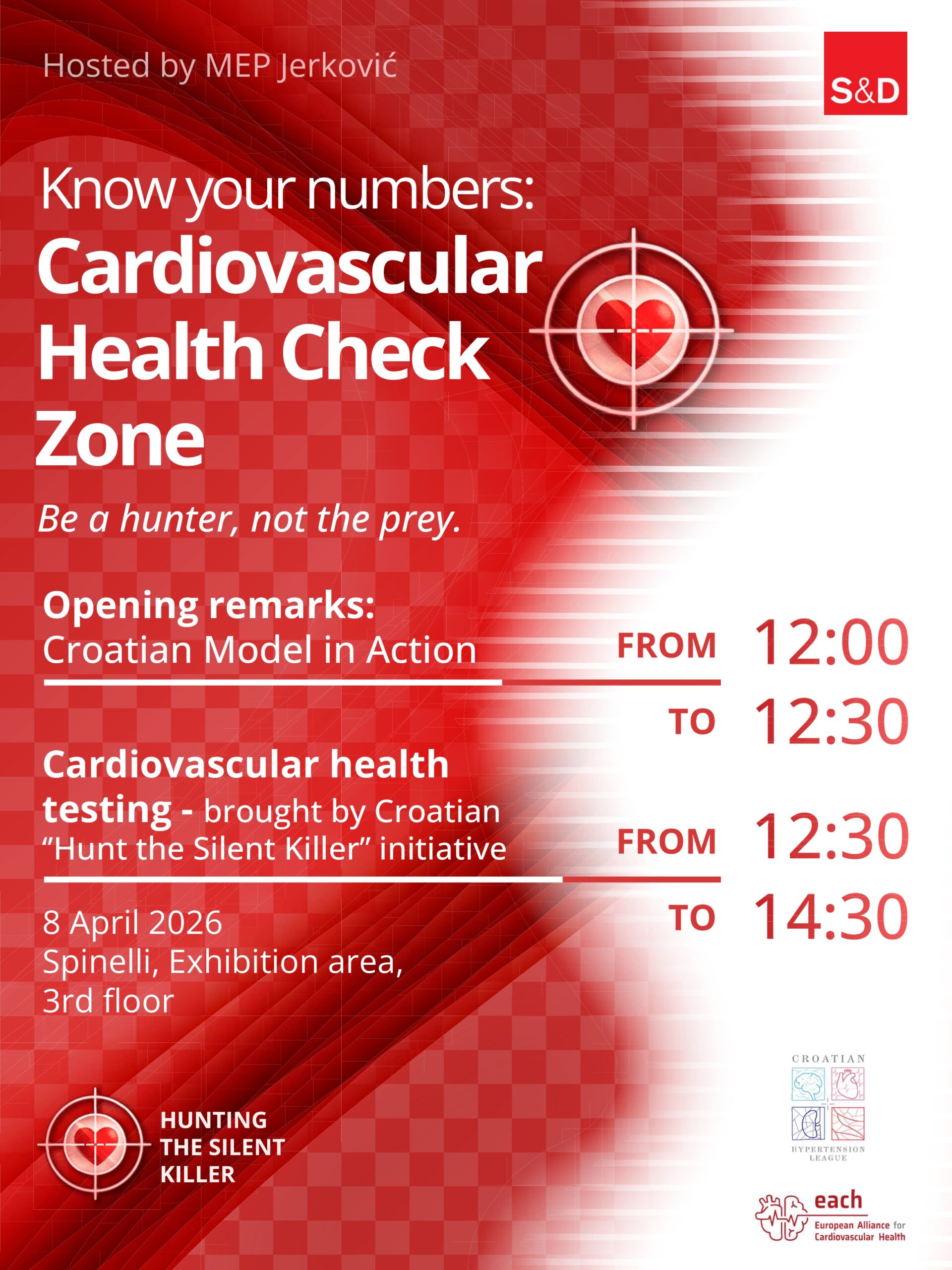
On 8 April 2026, MEP Romana Jerković will host a cardiovascular health initiative at the European Parliament, organised with the support of the European Alliance for Cardiovascular Health (EACH) and the Croatian Hypertension League.
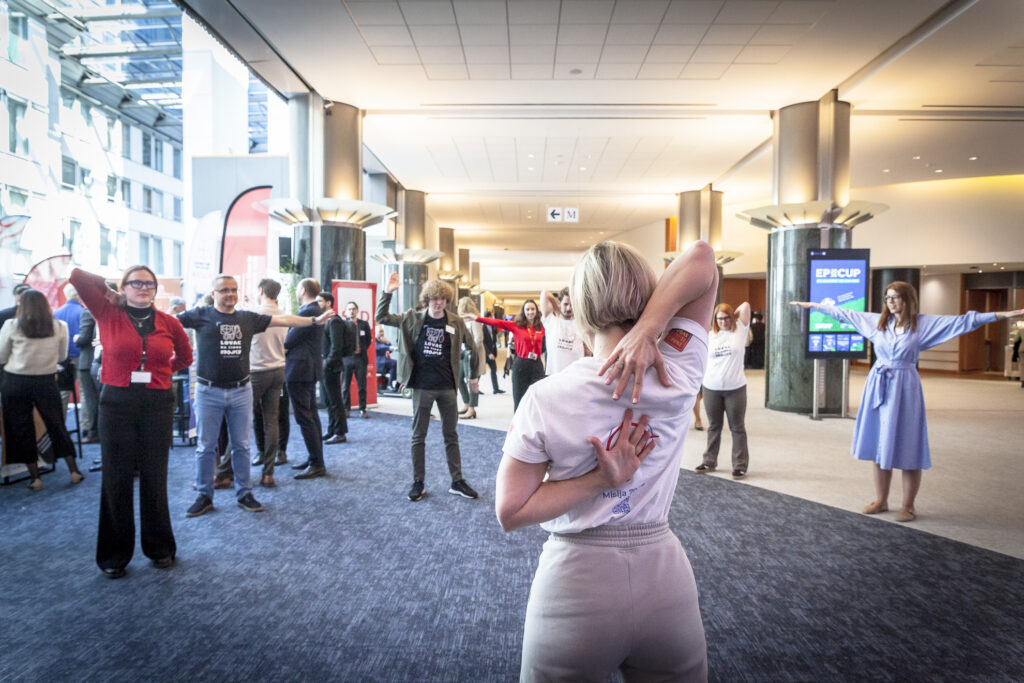
Taking place in the Spinelli building, the initiative will bring cardiovascular prevention directly into the heart of EU policymaking, highlighting the importance of early detection and routine screening. It will also demonstrate how prevention can be integrated into everyday settings, including the workplace.
The initiative comes at an important moment for EU health policy. Cardiovascular health is now firmly on the EU political agenda, with the EU Safe Hearts Plan and a forthcoming Council Recommendation on a common protocol for cardiovascular health checks strengthening the focus on prevention and early detection across Europe.
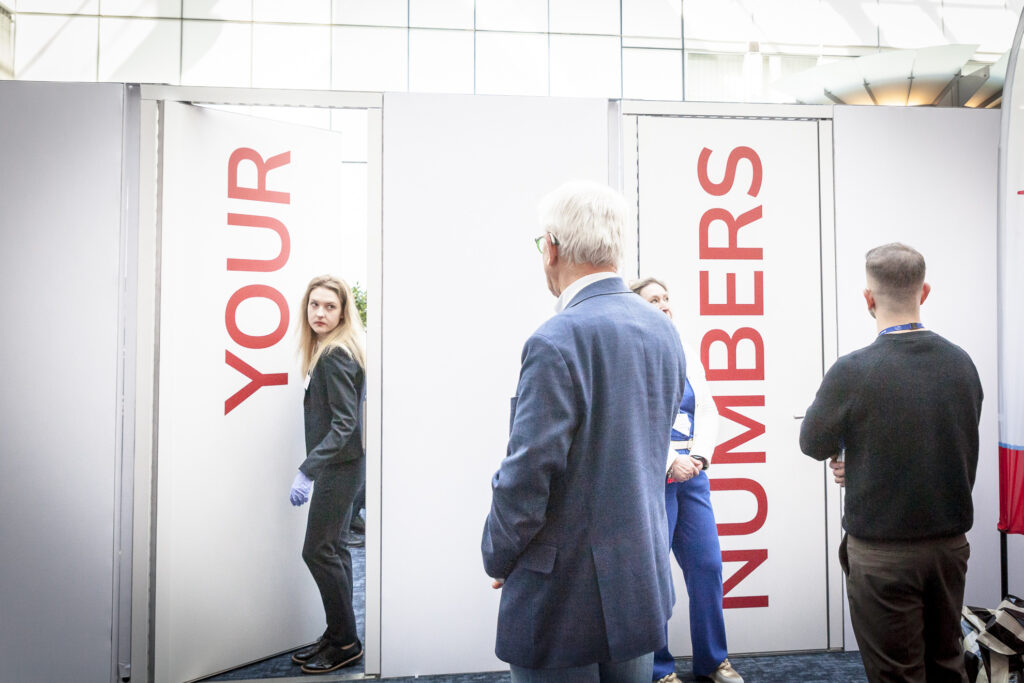
At the heart of the event is a simple but powerful message: know your numbers. Many cardiovascular risk factors, including high blood pressure, cholesterol and diabetes, can remain silent for years. Early detection gives people the information they need to seek follow-up care, make lifestyle changes and reduce their risk of heart attack or stroke.
Programme and activities
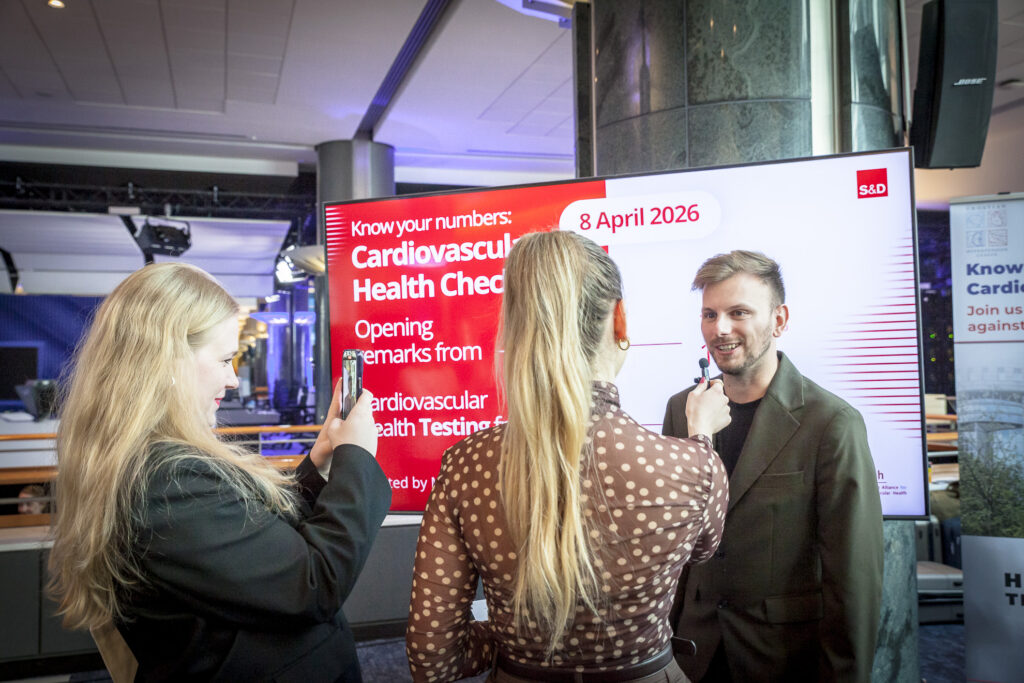
The programme will begin with opening remarks from 12:00 to 12:30, including contributions from MEP Jerković, MEP Adam Jarubas, Dr Ivan Pećin, Vice-President of the Croatian Hypertension League, and a message from European Parliament President Roberta Metsola.
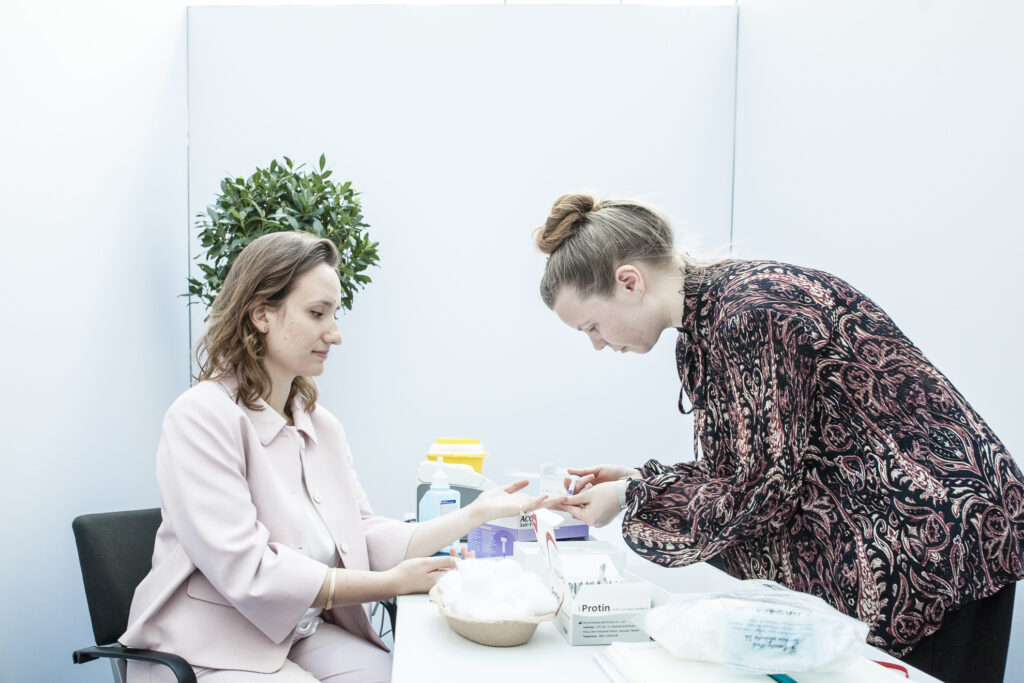
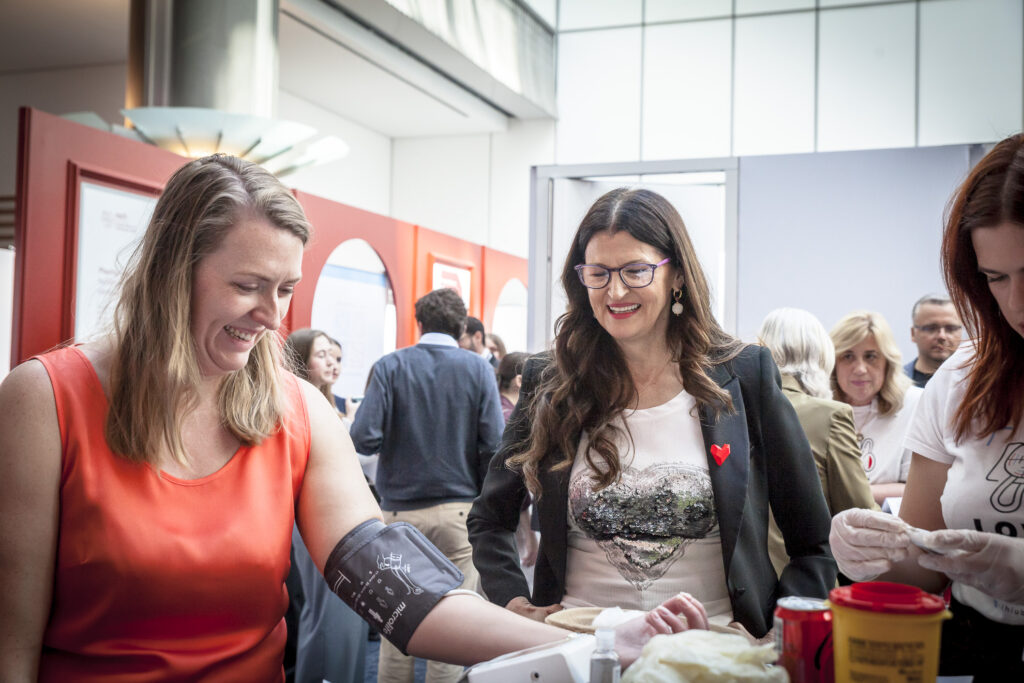
Cardiovascular health testing will then take place in an open, drop-in format from 12:30 to 14:30 for Members of the European Parliament and parliamentary staff.
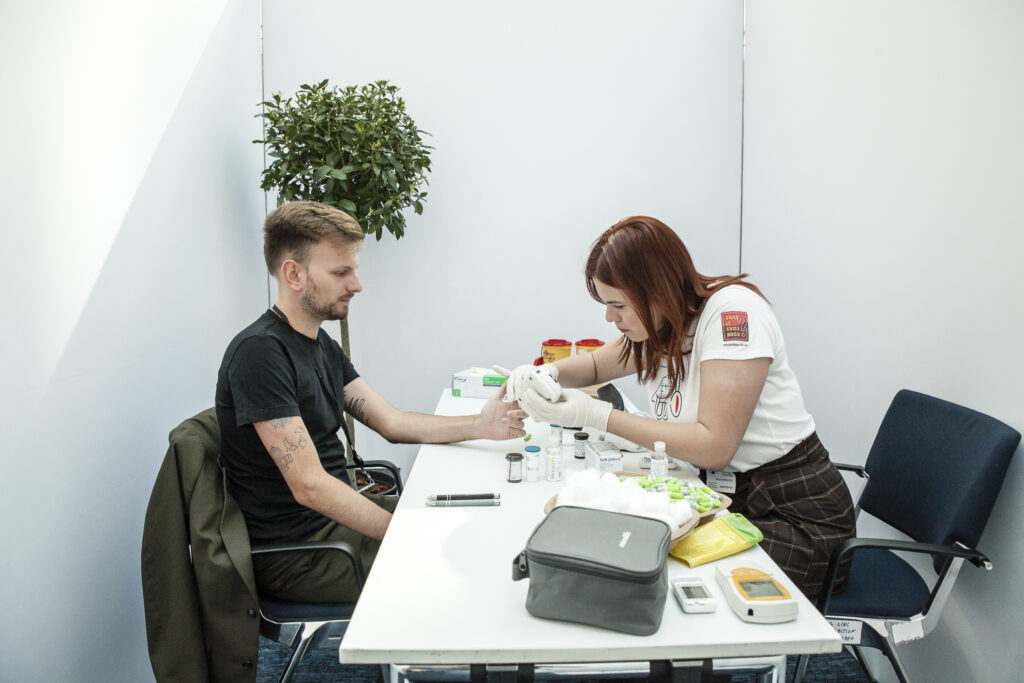
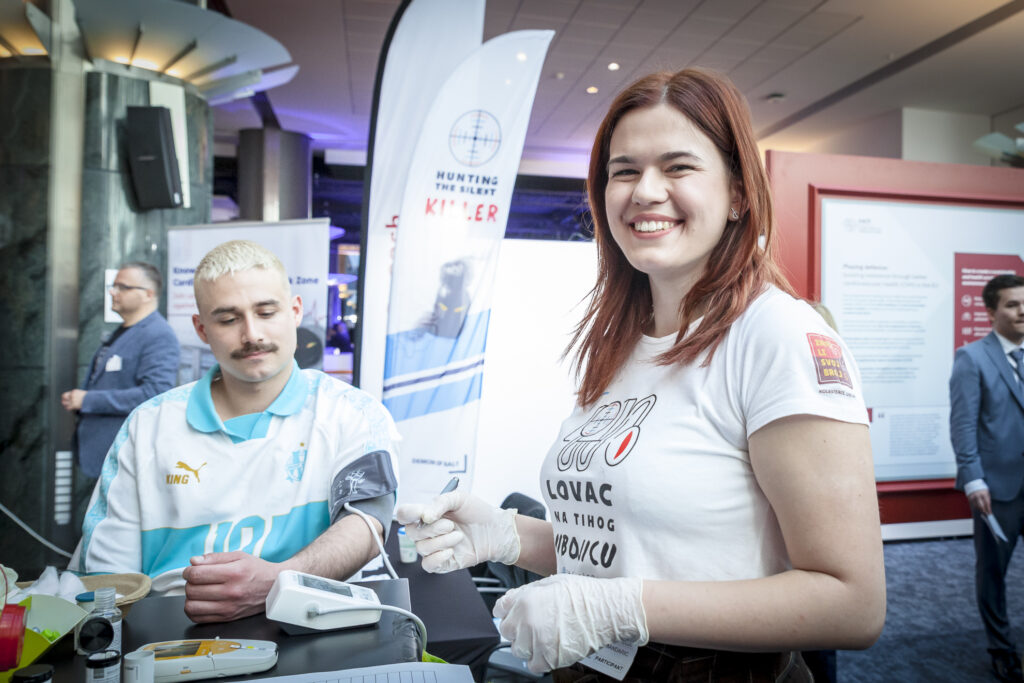
Healthcare professionals will provide a range of cardiovascular screenings, including blood pressure measurement, blood glucose and cholesterol testing, body composition analysis, Lipoprotein(a) measurement and albuminuria screening. Participants will receive their results immediately, helping to raise awareness of individual risk factors and encouraging follow-up where appropriate.
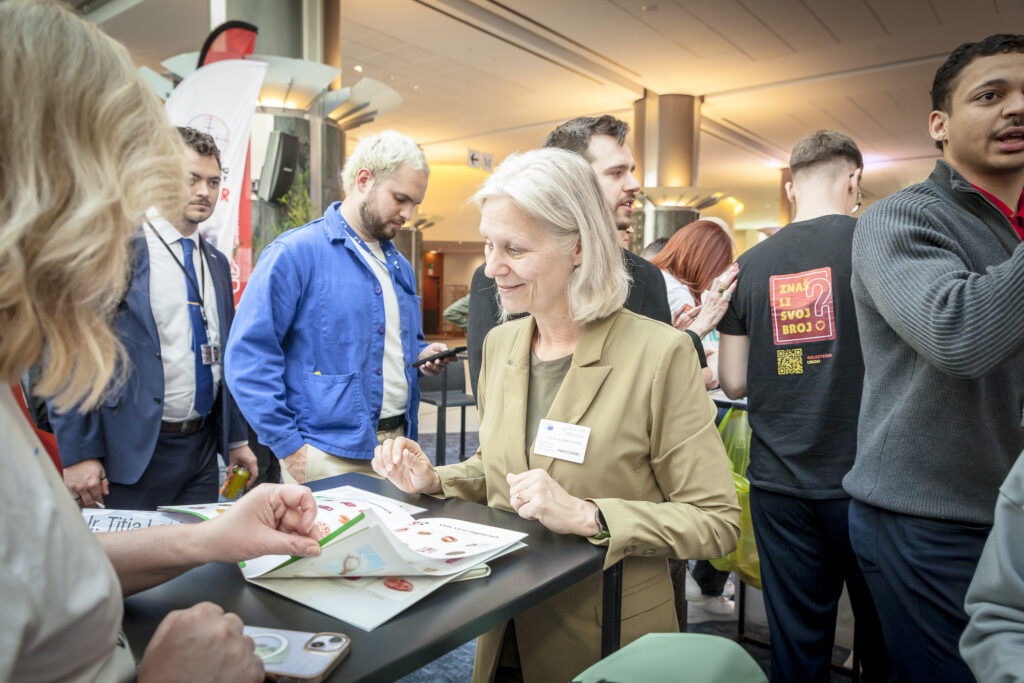
A lifestyle coach will also be available on site for participants who would like guidance on maintaining or improving a healthy lifestyle. The coach will offer short, structured conversations based on insight, motivation and action, taking place after the measurements and focusing on one or more of Life’s Essential 8 factors, such as nutrition, physical activity, sleep and smoking cessation.
Photo gallery