
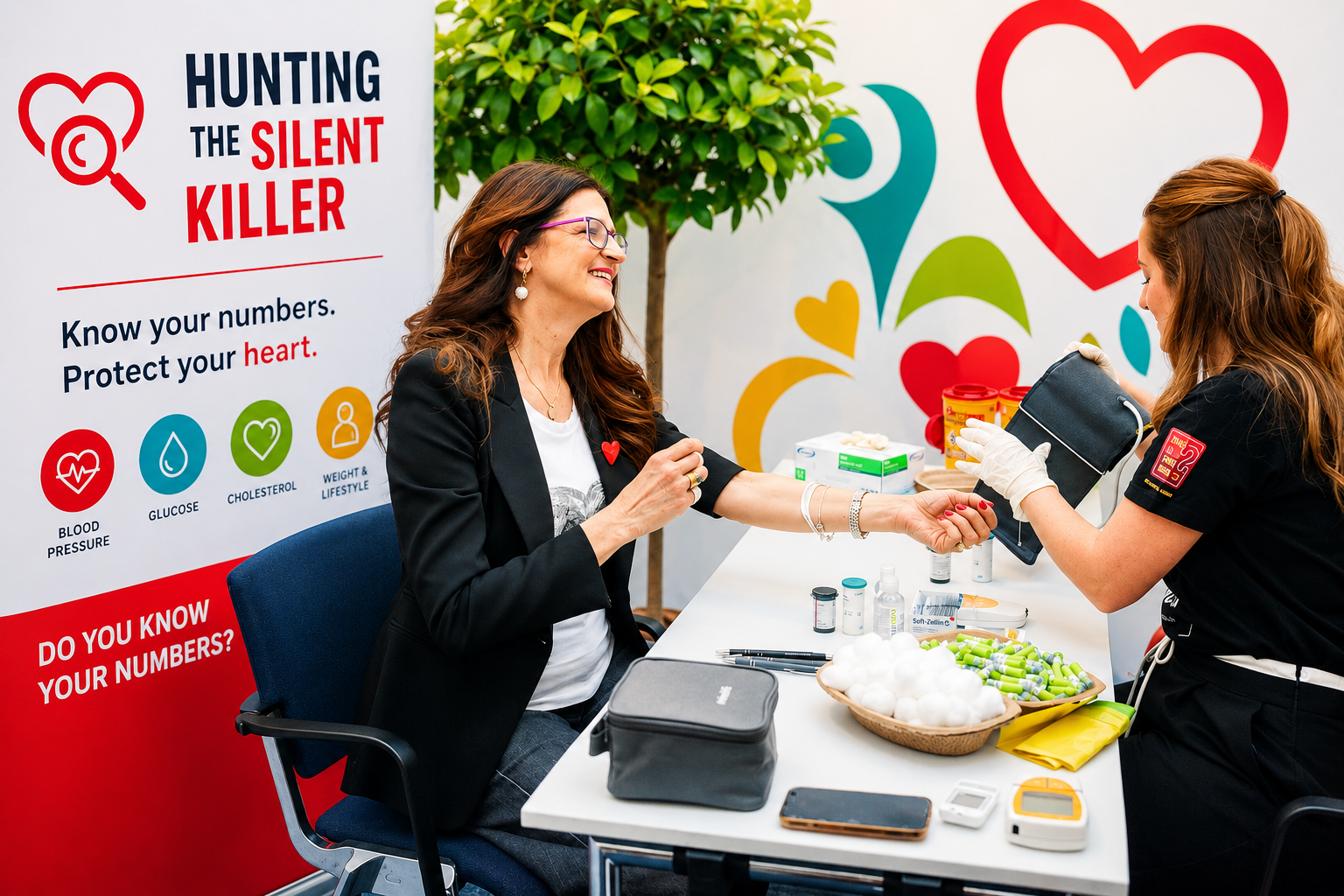
In his reflections on the first six months of 2026, Professor Ivan Pećin, Vice-President of the Croatian League for Hypertension, looks back at the continued growth of Hunting the Silent Killer, a campaign that has transformed cardiovascular prevention by bringing it directly into communities across Croatia.
For more than eight years, the initiative has demonstrated that prevention is most effective when it leaves the clinic and becomes part of everyday life.
The Croatian League for Hypertension has developed one of Croatia’s most recognisable and far-reaching public health initiatives: Hunting the Silent Killer, together with its programmes Do You Know Your Numbers? and Mission 70/26. Focused on the early detection and control of cardio-kidney-metabolic risk factors, including hypertension, dyslipidaemia, elevated glucose, obesity, smoking and physical inactivity, the initiative has become an internationally recognised model for community-based prevention.
Hunting the Silent Killer arose from the conviction that prevention should not remain confined to professional documents, congress halls or outpatient offices, but truly reach citizens. By combining scientific knowledge, clinical expertise and public health responsibility, the League has developed a model that brings free preventive check-ups, counselling and education where people live, work, study, exercise and participate in the life of their communities.
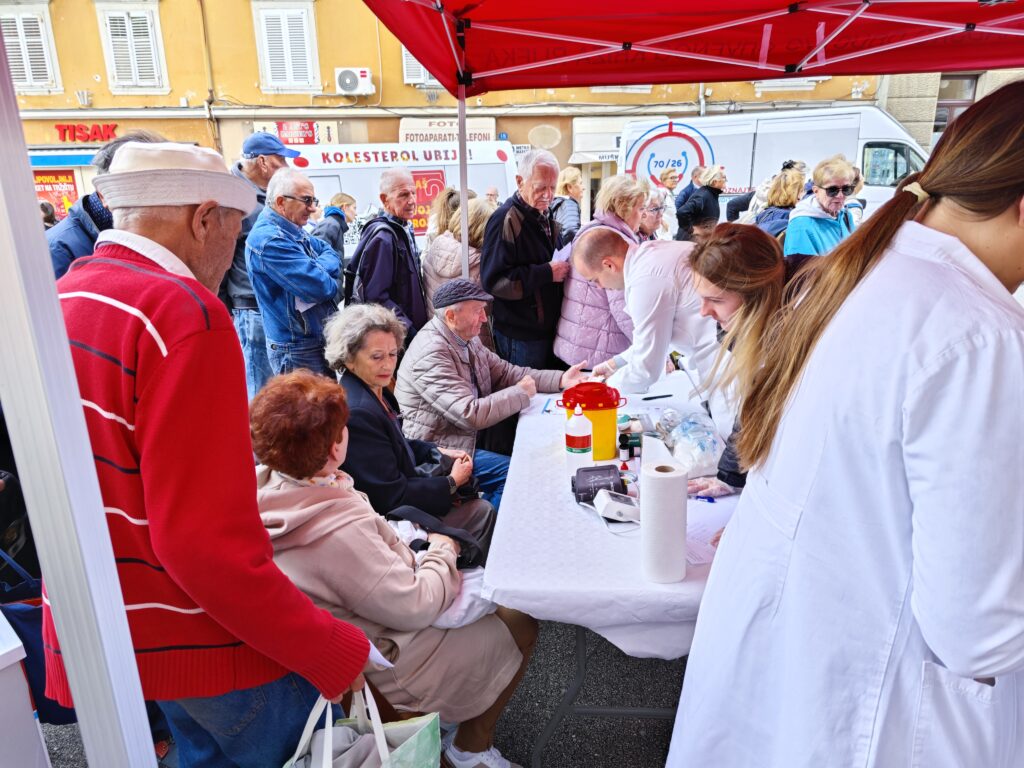
In this way, prevention has become visible and accessible – in public squares, schools, pharmacies, public institutions, shopping centres, sporting events, rural communities, island and remote areas, and, symbolically, even in the European Parliament.
A Community Model of Prevention
Every field activity combines screening with education.
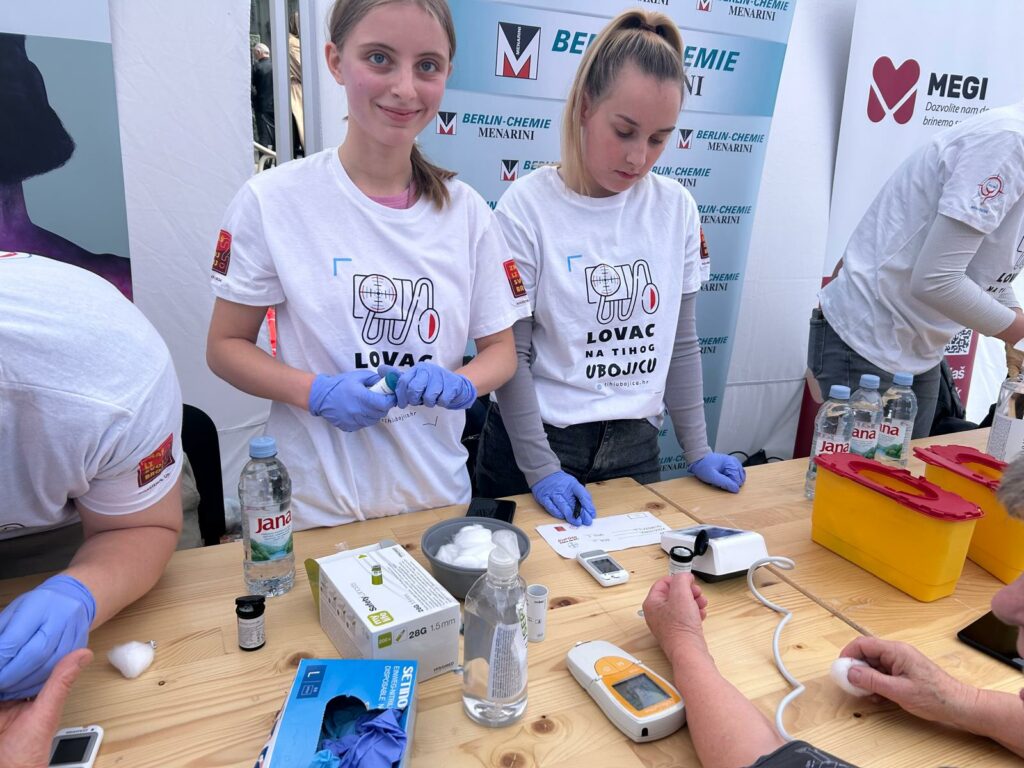
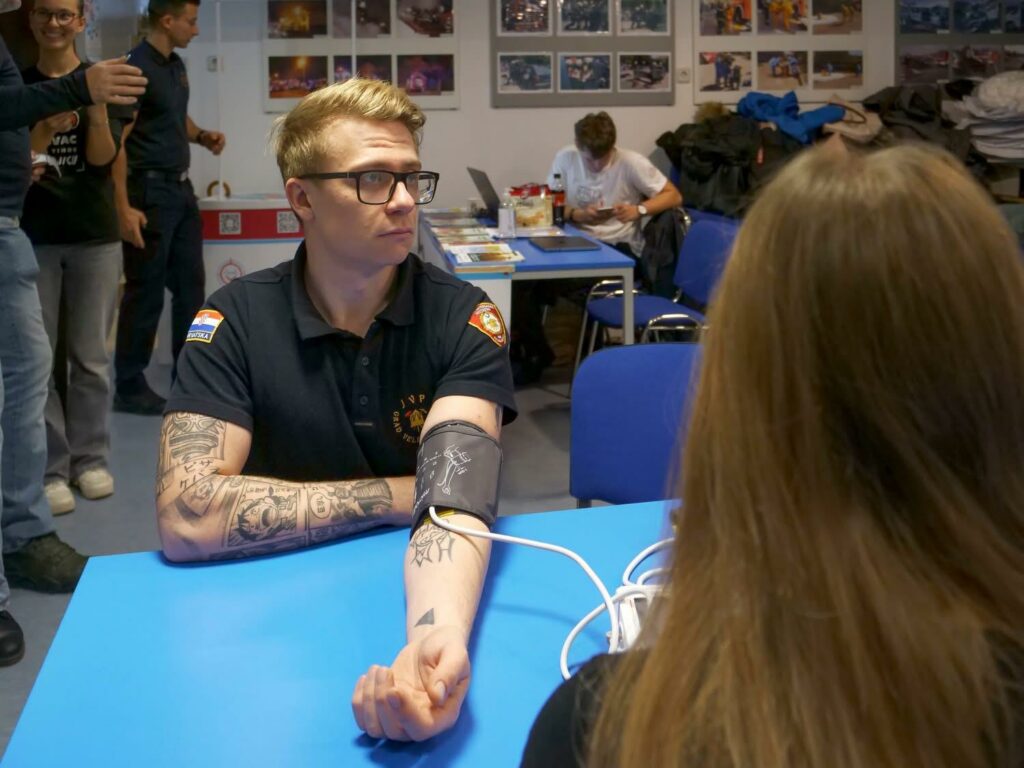
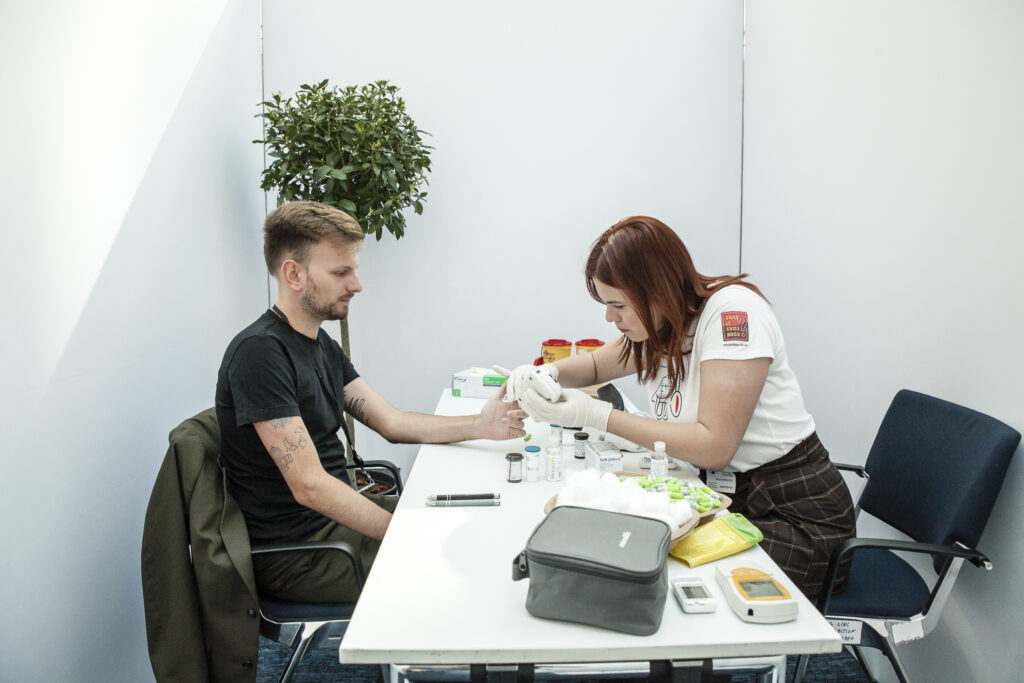
Participants receive blood pressure, cholesterol and glucose measurements, body composition assessment, personalised lifestyle counselling and, where necessary, referral for further medical evaluation. During larger “Big Hunts”, an even broader assessment of cardio-kidney-metabolic risk is carried out, creating a genuine bridge between population-based prevention and clinical medicine.
Reaching people across Croatia
Over the past year alone:
- 44 community events were organised across Croatia;
- More than 6,500 citizens received preventive examinations and education;
- Activities reached both major cities and communities where access to preventive healthcare is often limited.
One of the League’s greatest strengths is its multidisciplinary volunteer network, bringing together physicians, pharmacists, nurses, medical students, nutritionists, psychologists, kinesiologists and many other professionals.
The prevention of chronic noncommunicable diseases does not belong to a single profession. It requires the joint efforts of the healthcare system, education, sport, local government, the media and civil society.This collaborative model also highlights the essential role of pharmacies as accessible centres for screening, education and the long-term management of hypertension and other cardiovascular risk factors.
Building a culture of prevention
The campaign extends well beyond community health checks. Healthcare professionals are supported through webinars, newsletters, the HealthMed educational platform and the School of Communication in Hypertension, recognising that effective communication is itself a therapeutic tool.
The same innovative approach shapes the League’s public engagement activities. Schools, sporting events, media partnerships and campaign ambassadors help translate complex health messages into everyday language and bring prevention closer to communities.
One striking example was the 200th Samobor Carnival, where the League transformed one of Croatia’s best-known cultural events into a platform for cardiovascular prevention. Led by Dr Ivan Pećin and supported by campaign ambassador and rally driver Juraj Šebalj, around 30 medical students took to the streets as symbolic “hunters” and “demons”, while the Lovomobil delivered prevention messages and health awareness directly to thousands of festival-goers.
From Croatian Communities to the European Parliament
One of the campaign’s most symbolic milestones came in April 2026, when the Croatian League for Hypertension, in partnership with the European Alliance for Cardiovascular Health (EACH), brought its Know Your Numbers: Cardiovascular Health Check Zone to the European Parliament in Brussels.
Hosted by MEP Romana Jerković, the initiative brought the Croatian model of cardiovascular prevention to the heart of European policymaking. The event demonstrated that what often exists only in European strategic documents has already been translated into practical action across Croatian communities, illustrating how community-based prevention can become a living reality rather than simply a policy ambition.
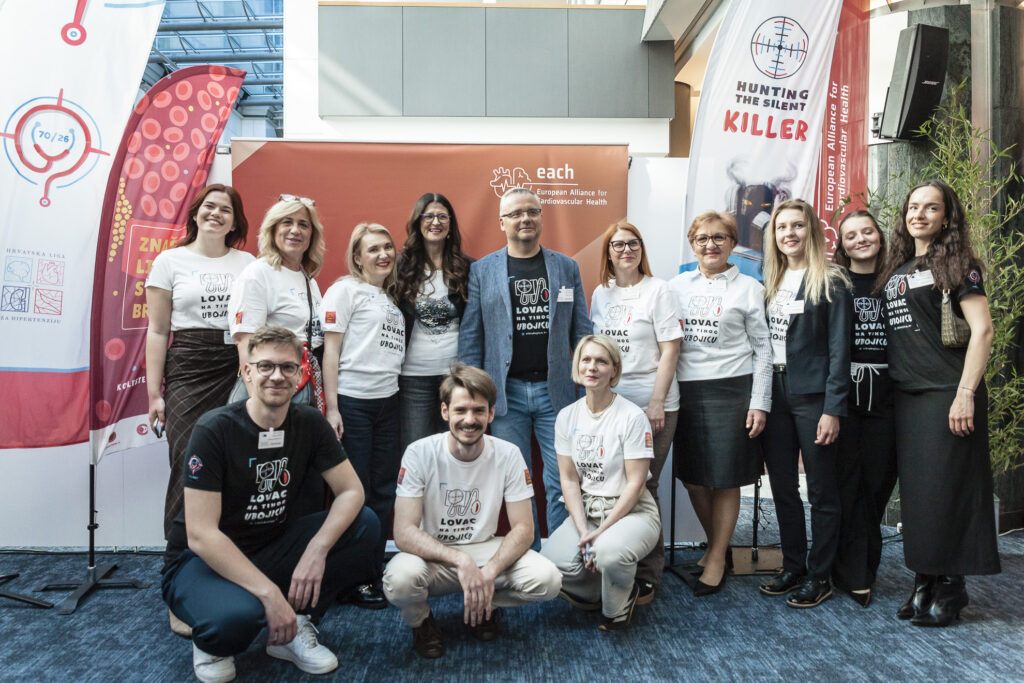

Today, the Croatian model is attracting growing international attention, inspiring similar initiatives in countries including Poland, the Czech Republic and Brazil.
Yet the true success of Hunting the Silent Killer lies not only in the number of citizens reached, but in the culture it is helping to create:
- Citizens are encouraged to know their own numbers.
- Healthcare professionals are empowered to communicate more clearly and act more proactively.
- Volunteers gain experience, empathy and a deeper connection with their communities.
- Institutions increasingly recognise prevention as a national priority.
More than an awareness campaign, Hunting the Silent Killer has become a model of modern, multidisciplinary and community-based prevention. It demonstrates that prevention can be scientifically grounded, professionally delivered and deeply human, offering an approach that is not only transforming cardiovascular health in Croatia, but inspiring action well beyond its borders.